
By Carmen Berry, SanDiego350 Volunteer
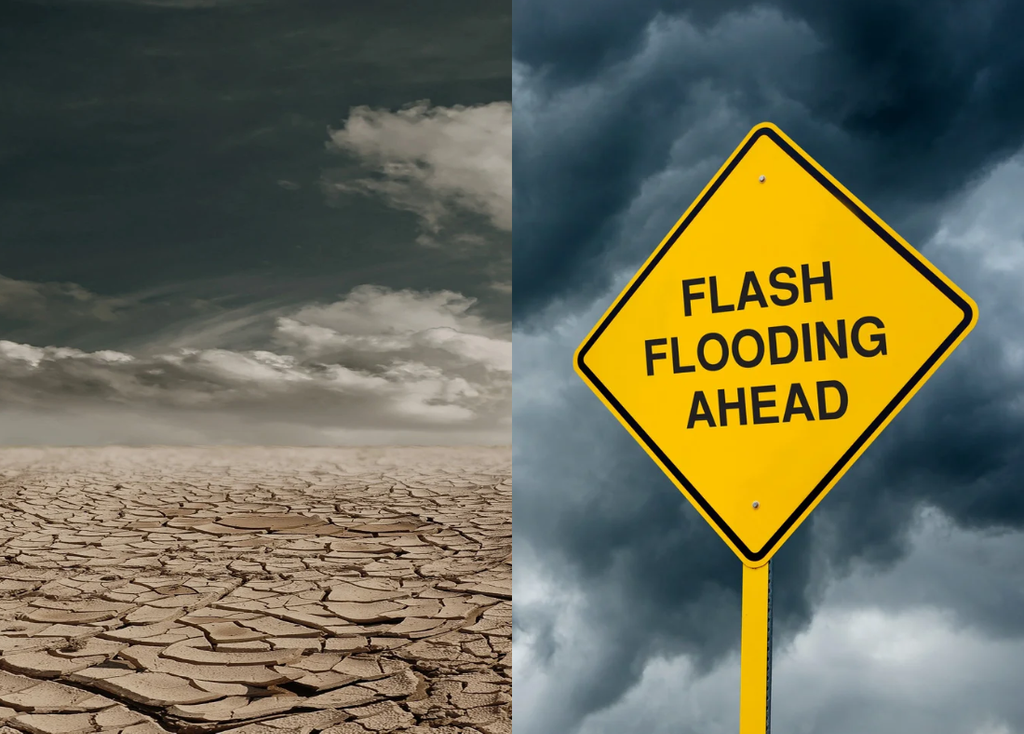
This year’s autumnal heat waves are painting a menacing picture of climate change across San Diego county, exposing citizens to extreme weather events that are too deadly to ignore. In the month of September alone, the City of San Diego recorded more heat related 911 calls than the entire year of 2025- and that number is only going to increase as conditions intensify in the years to come.
As a result of climate-change related El Niño weather patterns, San Diego is set to see hotter, windier, and wetter days, threatening our most vulnerable populations. As these extreme weather conditions continue to put San Diegans at risk- it is essential that the City address this public health threat. By investing in improved cooling and heating infrastructure and expanding access to public second spaces, we have the potential to mitigate the impacts of a changing climate on those who need our support the most.
Socioeconomic factors like housing security, access to healthcare, and profession can impact which populations are most vulnerable to extreme weather events. High temperature and precipitation levels impact access to essential services such as energy, with rising temperatures and electricity costs placing additional strain on households who already struggle with energy affordability. With the highest electricity rates in the United States, extreme weather exposes infrastructure failings and worsens access gaps amongst San Diego communities ravaged by affordability concerns.
Additionally, with the City building high rise housing structures that trap hot air amongst tall buildings, those who live in our most densely populated areas are most likely to be affected by extreme weather events, such as heat waves. Extreme heat can cause dehydration, heatstroke, adverse birth outcomes, exacerbation of chronic illnesses, and mental health effects. During rainy El Niño seasons, San Diegans risk flooding, debris flows, power outages, and road closures. Currently, we’re seeing extreme heat most impacting homeless people, manual workers, pregnant people, children, and those who are substance-dependent. Within dense urban environments, the quality of physical suffering for these groups during adverse weather events is uniquely cruel, and distinctly public.
Despite the city’s ongoing attempts to address the crisis of homelessness, we need to see similar investments in public second spaces to offset the environmental health hazard of extreme weather for all. Across San Diego County, shaded public seating in high-traffic areas have been removed to deter encampments. Similarly, designated “cool zones” which provide shelter from rain and hot weather conditions within public libraries and community centers, have been subjected to service cuts due to targeted divestments from the city in the last year.
In order to adequately prepare for a future shaped by preventable climate change, it’s more important than ever that the City supports climate resiliency by addressing the infrastructure failings that are inflicting the most damage now. The question of how to best address climate-related public health issues reflects San Diego’s ongoing crises of housing security and quality of life for those that are impacted by cost of living concerns. Through targeted investments in expanding climate infrastructure and shared public spaces, we can make sure that everyone in San Diego can access spaces they can depend on to survive extreme weather.