
By Rachel Carton, Legislative Team Member
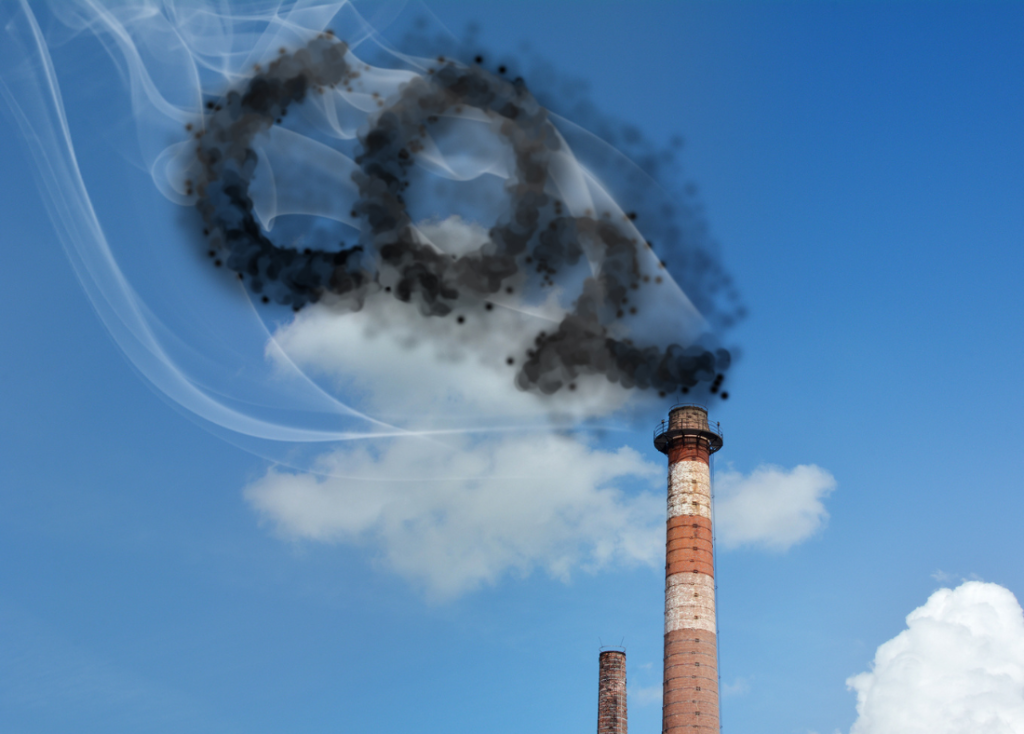
On May 28th, the California Air Resources Board (CARB) approved a change to the Cap-and Invest Program, authorizing the Manufacturing Decarbonization Incentive (MDI) in a 10-3 vote. It’s framed as a way to help industry reduce emissions while protecting affordability and preventing companies from leaving California. In reality, it is a $4 billion giveaway to big oil.
What Is the MDI?
Before getting into why that’s a problem, it’s worth understanding how California’s Cap-and-Invest program works today.
The state sets a cap on total emissions. Companies receive or purchase allowances that permit them to emit a certain amount of greenhouse gases. Companies that reduce emissions can sell unused allowances to other companies. The revenue generated from auctions is then invested in climate programs across California.
The MDI (Manufacturing Decarbonization Incentive) program creates a pool of 118 million carbon allowances that companies can receive if they invest in approved decarbonization projects. Think replacing fossil-fuel-powered equipment with cleaner alternatives, renewable energy, carbon capture, or methane reduction projects.
The Problem: Is the Cap Still a Cap?
One of the biggest selling points of the MDI is that it removes 118 million allowances from California’s emissions cap through 2030. Equivalent to 118 million metric tons of carbon dioxide equivalent.
That sounds impressive, until you realize the program also creates 118 million new allowances that companies can receive through MDI.
If every allowance removed from the cap is effectively replaced, is the cap on carbon actually being tightened?
Additionally, some allowances that would otherwise have been auctioned will instead be distributed to Oil and Gas companies for free. That means less revenue available for climate programs and clean energy investments.
Affordability and Climate Action Are Not Opposites
CARB’s rationale is fairly straightforward: if compliance costs become too high, companies may leave California, jobs could be lost, and products could become more expensive.The problem is that this argument treats affordability and emissions reductions as though they’re competing goals. They aren’t.
Climate solutions reduce costs over time, and climate change increases costs.
Energy efficiency lowers utility bills, while renewable energy avoids volatile fossil-fuel prices and benefits from declining technology costs. And the costs of climate disasters have soared to billions of dollars a year, and that’s not including the costs of resilience measures like seawalls or installing AC in homes.
According to Politico, “California officials estimate that as of November 2024, GGRF revenue has supported 122,000 jobs. That figure includes tens of thousands of construction gigs building affordable housing and transit infrastructure, clean technology manufacturing opportunities and a network of positions in state and regional government agencies.”
What We Lose: The Greenhouse Gas Reduction Fund (GGRF)
The Greenhouse Gas Reduction Fund (GGRF) is funded through the Cap-and-Invest program. Up to $4 billion a year flows from polluters buying carbon allowances through to state programs for affordable housing, climate resilience, and public transit.
Environmental groups estimate that the fund could lose up to $2 billion a year with MDI in place.
That could mean losing $690 million from emergency transportation funding for operators across California to stave off cuts to services including bus and rail trips.
It also puts at risk additional funds for high-speed rail, electric vehicle rebates, affordable housing, and more.
What Can You Do?
Since this rule was proposed, SD350 has joined allies across the state to oppose the rule change. We estimate 30+ SD350 members wrote in to give comments to CARB in opposition.
The proposal now moves through California’s formal rule making process, where some State Senate Democrats are already moving to block the change. Then, the legislature must decide where the remaining money will go. If the state Legislature or Governor Newsom does not act, the MDI will be implemented September 1, 2026.
You can take action now:
- Call Governor Newsom at 916-445-2841d
Please tell CARB to immediately reverse its decision creating Manufacturing Decarbonization Incentives (MDI). This will totally undermine the Cap-and-Invest program, and will do little to guarantee reductions in greenhouse gases. This decision will virtually eliminate funding for crucial programs, including transit, Affordable Housing and Sustainable Communities Program, and the Safe and Affordable Drinking Water Fund . Many state legislators have already expressed their objection to this CARB decision. Please tell CARB to immediately restore funding for these and other critical programs and eliminate the MDIs.
- Join the Climate Action Alert Network to get updated with calls to action to the state legislature when negotiations around funding begin in August.